


Most headlines about workforce flexibility have focused on remote and hybrid work styles. Yet, in industries like manufacturing, hospitality, healthcare and retail, onsite work is mandatory for many roles. There are, however, other flexible workforce opportunities that can attract, motivate and retain these shift workers, even when skilled and trainable talent takes time to come by.
A 2022 Gartner candidate survey gathered the opinions of 680 hourly frontline worker candidates. The findings were referenced in their 2023 report: “HR Toolkit: Tackling 2023 Future of Work Trends,” Gartner found that leading job characteristics most likely to attract them to roles include:
- More control over their schedules (53% work hour control, 46% work day control);
- More work schedule stability;
- How much they work;
- Who they work with.
Traditionally, demands for these kinds of flexibility have been challenging or impossible for employers to accommodate. This report also referenced that only 40% of those surveyed in a 2021 Gartner survey felt they are frequently recognized in the roles they work in, and only 60% say their employers treat them well.
How can employers shift to workforce flexibility and meet their strategic goals to recruit more frontline, temporary and shift work employees and give them the desired scheduling flexibility? We’ve gathered some inspiration and insights below.
Table of Contents
- What Counts as a Flexible Workforce?
- Where to Recruit Flexible Employees
- Implementing & Scheduling a Flexible Workforce
- Other Tips
- Complete End-to-End Solutions with Evolia
What Counts as a Flexible Workforce?
A flexible workforce is one that can adapt to the changing demands and needs of the business, the customers, and the workers.
A flexible workforce may include:
- Temporary workers hired for a specific time period, shift schedule, or project, such as seasonal workers, contract workers, or freelancers.
- Shift workers scheduled for a duty rotation with a team of colleagues
- Part-time workers who work less than the standard full-time hours, such as reduced hours, job shares, or casual workers.
- Flexible work arrangements allow workers to alter their work schedule or number of hours, such as flextime, compressed work week, or leave.
A flexible workforce can help both employers and employees to meet their goals by:
- Attracting and retaining a diverse, skilled and motivated talent pool. It expands the talent pool and accommodates their availability, needs and preferences as much as possible.
- Showing frontline workers that their contribution and time are valued
- Improves customer service and satisfaction by matching the supply and demand of labor.
- Reducing labor costs and increasing productivity by optimizing the use of resources and minimizing idle time.
- Enhancing employee engagement and retention by offering more choice, autonomy, and work-life balance.
- Equipping frontline employees with valuable experience they can use to advance in more senior, full-time roles with the employer while creating motivated future team leads and mentors.
Recommended Reading: The Modern Way to Recruit Employees in Retail
Where to Recruit Flexible Employees
Flexible employment candidates are everywhere, but in recent years, recruiting them without the right strategies and tools makes it feel like you are herding cats. According to the 2023 Future of Jobs report by the World Economic Forum, healthcare job postings in the healthcare sector are up by about 15% in Canada and 25% in the United States. Manufacturing, retail, and hospitality continue to have high turnover rates.
Here are some of the best places and ideas to source flexible workers.
Internal Referrals and Testimonials
As mentioned earlier, many frontline candidates want to choose who they work with. By tapping into their network of friends and family, you can fill employment gaps and motivate your staff. You can expedite the hiring process by recruiting candidates who can provide personal references for their connections.
Your existing staff is often your best ambassador for meeting employee diversity targets and expanding your talent pool. Financial incentives and reward programs are often great ways to encourage existing employees to nominate friends and former colleagues. Referrals can be overly biased in some cases, especially when there are cash and prizes on the line.
Are you sharing frontline and temporary employee testimonials on your website? Inviting shift workers to talk to candidates at hiring events or interviews can take the friction out of the recruiting process. Hearing from a potential employer’s leaders can be convincing for some roles. Yet, in others, like nurses in hospitals and long-term care homes, testimonials from potential colleagues are more convincing.
Job Fairs
Job fairs can help employers reach many flexible work candidates who are interested in or have experience in their industry and share information on their culture. Having a presence at an industry-specific fair or one geared towards specific career stages can help your organization save time and money on recruitment and increase the chances of finding qualified and diverse talent. Virtual job fairs have become popular over the past few years, partly due to the pandemic.
These events can be stressful, rushed and intimidating for some candidates and make conducting interviews a challenge. As lucrative as it can be for recruiters to connect and prequalify multiple candidates, employers must proactively follow up with candidates. They may interview with numerous recruiters at the event and accept the first offer that comes their way.
Online Job Boards and Staffing Agencies
Publishing a job opening on a traditional job board or social media website can generate some interest. It is a time-saver for those applying for roles, yet that can degrade candidate quality. Many desperate job seekers “spray” resumes to multiple job offers and “pray” they get a call about a suitable opportunity without adequately assessing the job description to see if their experience and skills match your needs.
Posting job descriptions on multiple job boards is a time-consuming task. It can also lead to unwanted calls from recruiters and staffing agencies with offers to curate and assess candidates on your organization’s behalf. The added overhead cost and complexity to the hiring and ongoing staffing process can be daunting.
Temporary agency employees often aren’t as engaged or loyal as direct hires, and their work in your facility often feels more tenuous and at risk.
Recommended Reading: 4 Essential Ways to Improve Your Employee Onboarding Process

The Modern Way to Find 1000s of Flexible Workers
While the above options do work for finding flexible job seekers, we have a better way that will save you time and make the experience better for future employees.
Evolia’s shift search platform enables flexible employment candidates to “shop” for opportunities in their area that align with their skills and availability. They can assess their skills and experience fit as an employee and decide if your scheduling aligns with their lifestyle needs.
How to List Your Business and Recruit Flexible Workers
All of your competitors’ logos are on Evolia…why are they not on it yet?
Here is how to easily set up an Evolia account to begin finding shift workers for your open positions, in less than a few minutes of your time.
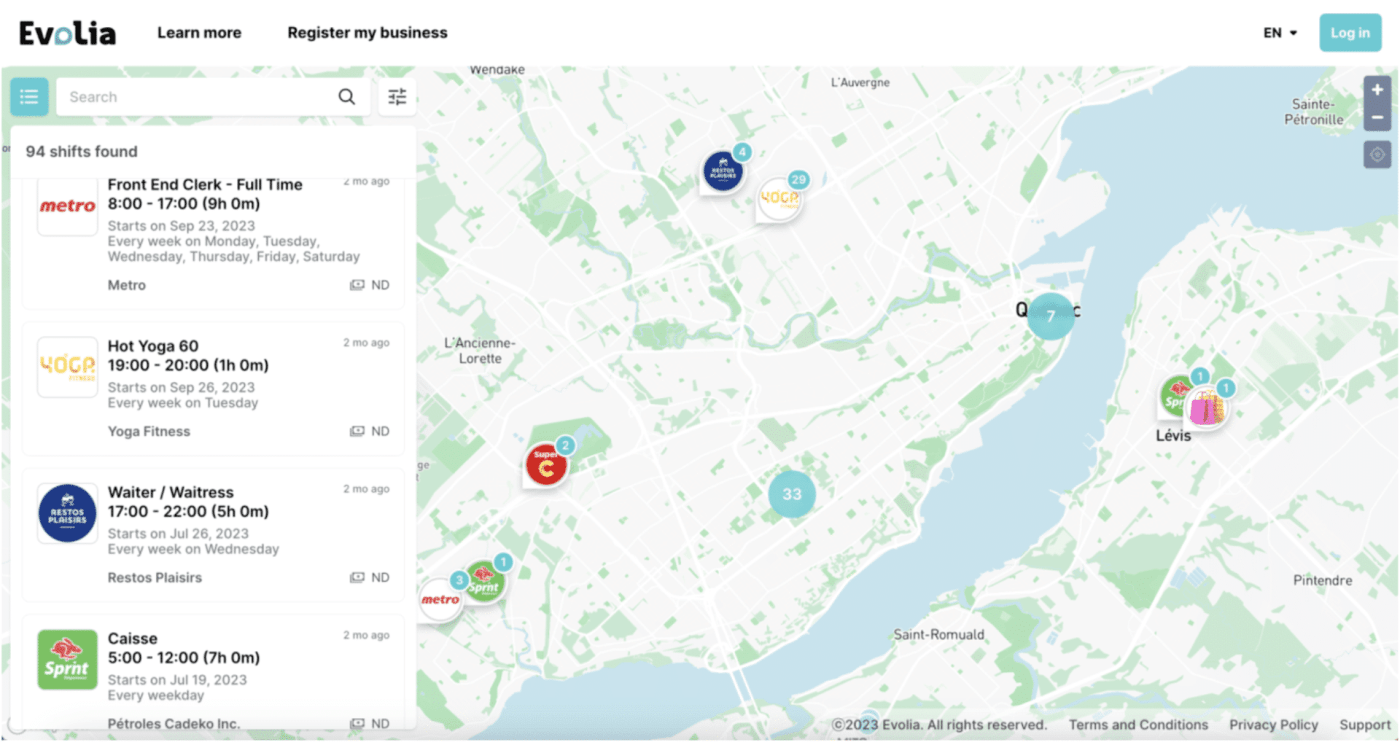
Step 1: Visit the main shifts page
Navigate to the job board home page to Explore Evolia and see shifts on the map and jobs available for shift workers.
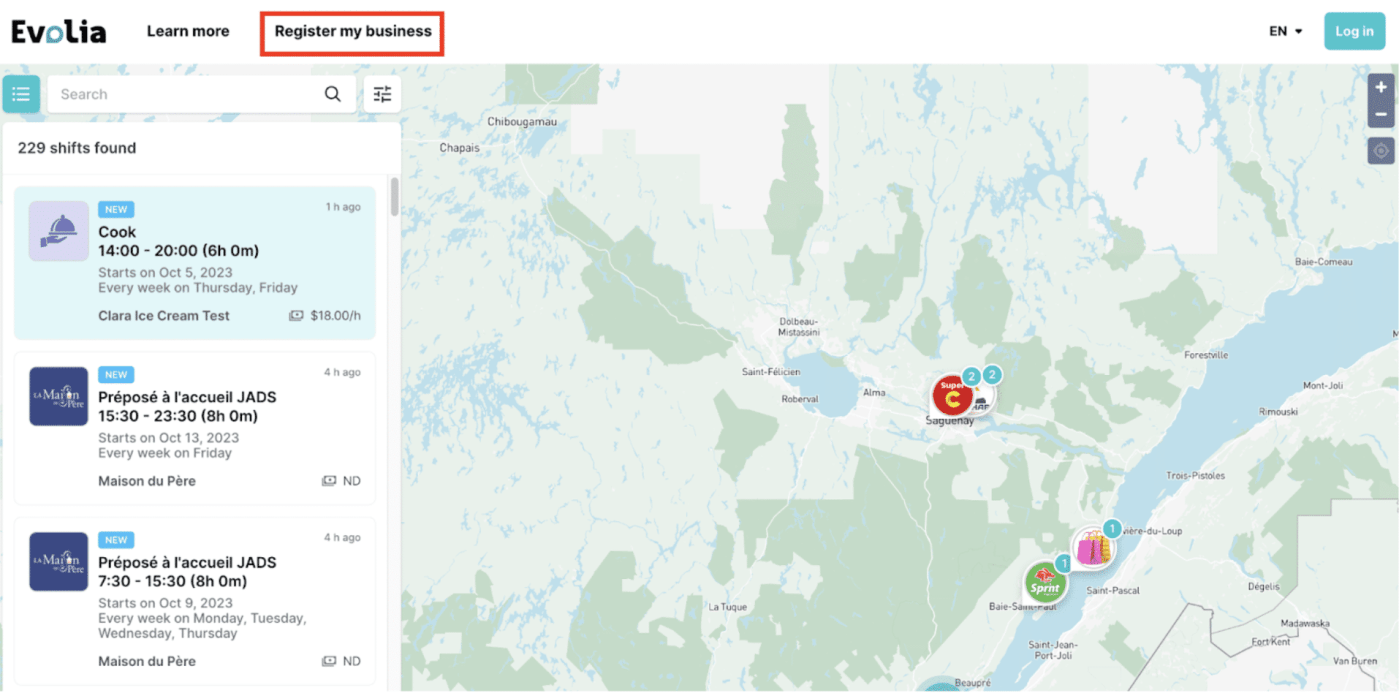
Step 2: Register Your Business For Free
Click on the “Register my business” button to sign up to Evolia, for free.
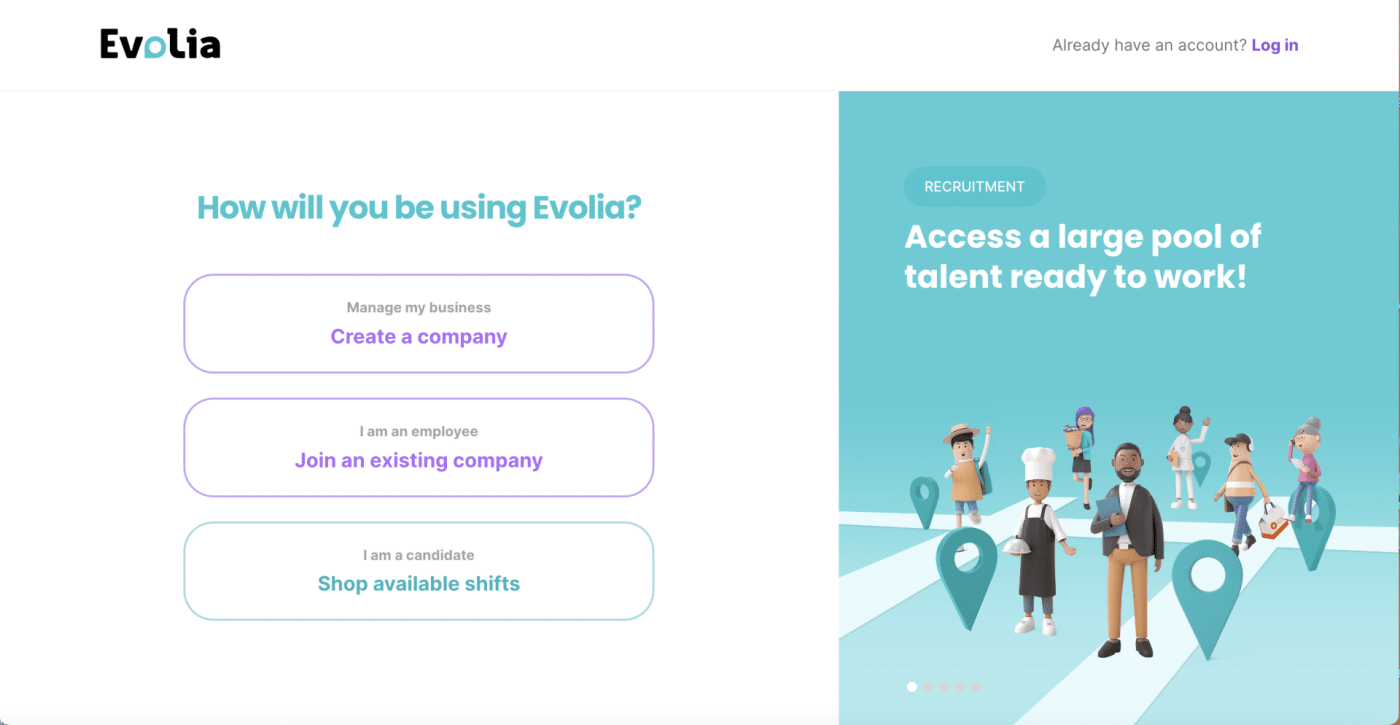
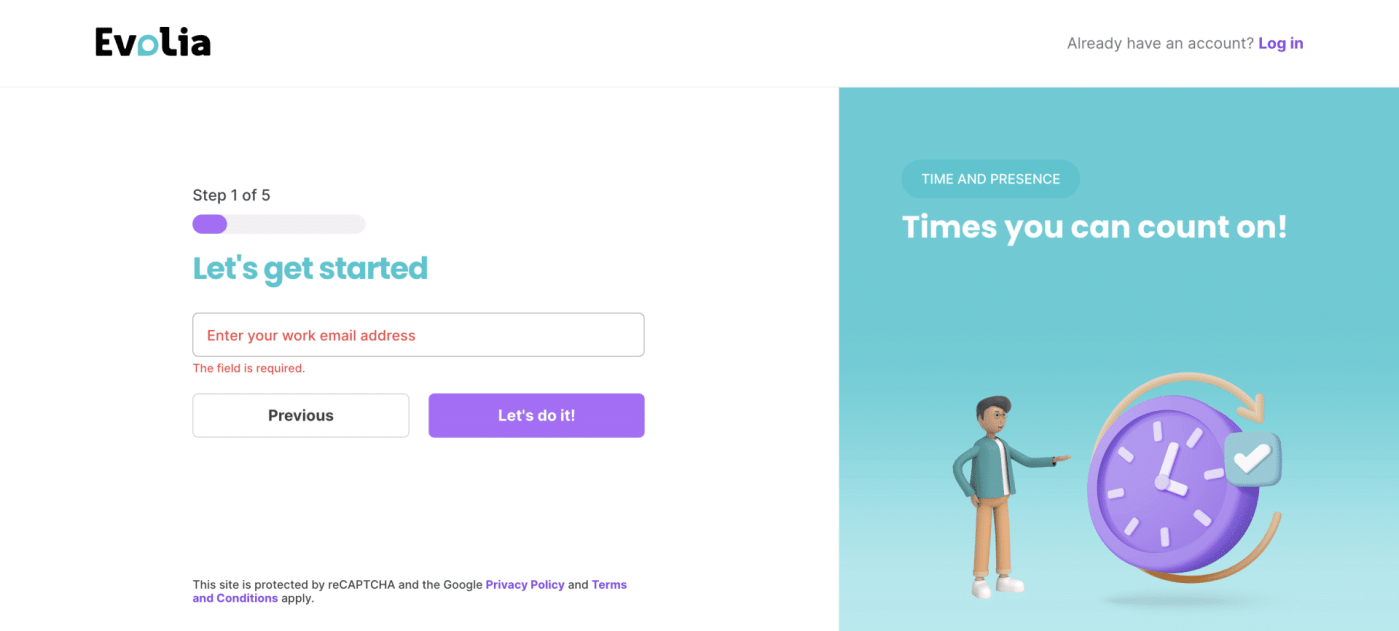
Step 3: Complete Registration
Complete these simple 5 steps to create your free Evolia account in less than a few minutes.
Step 4: Post Shifts and Find Talent
Start posting your shifts and connect with the thousands of local candidates who are actively “shift shopping” on Evolia.
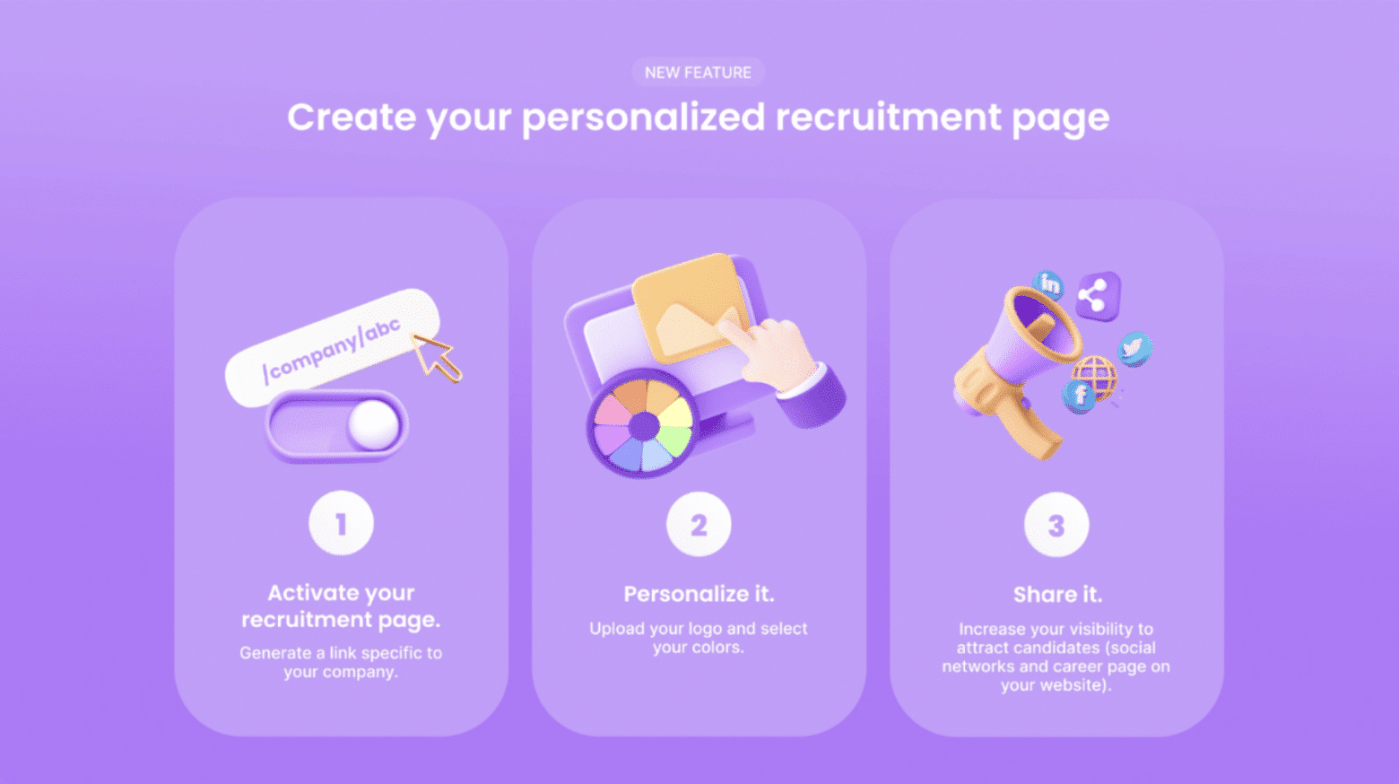
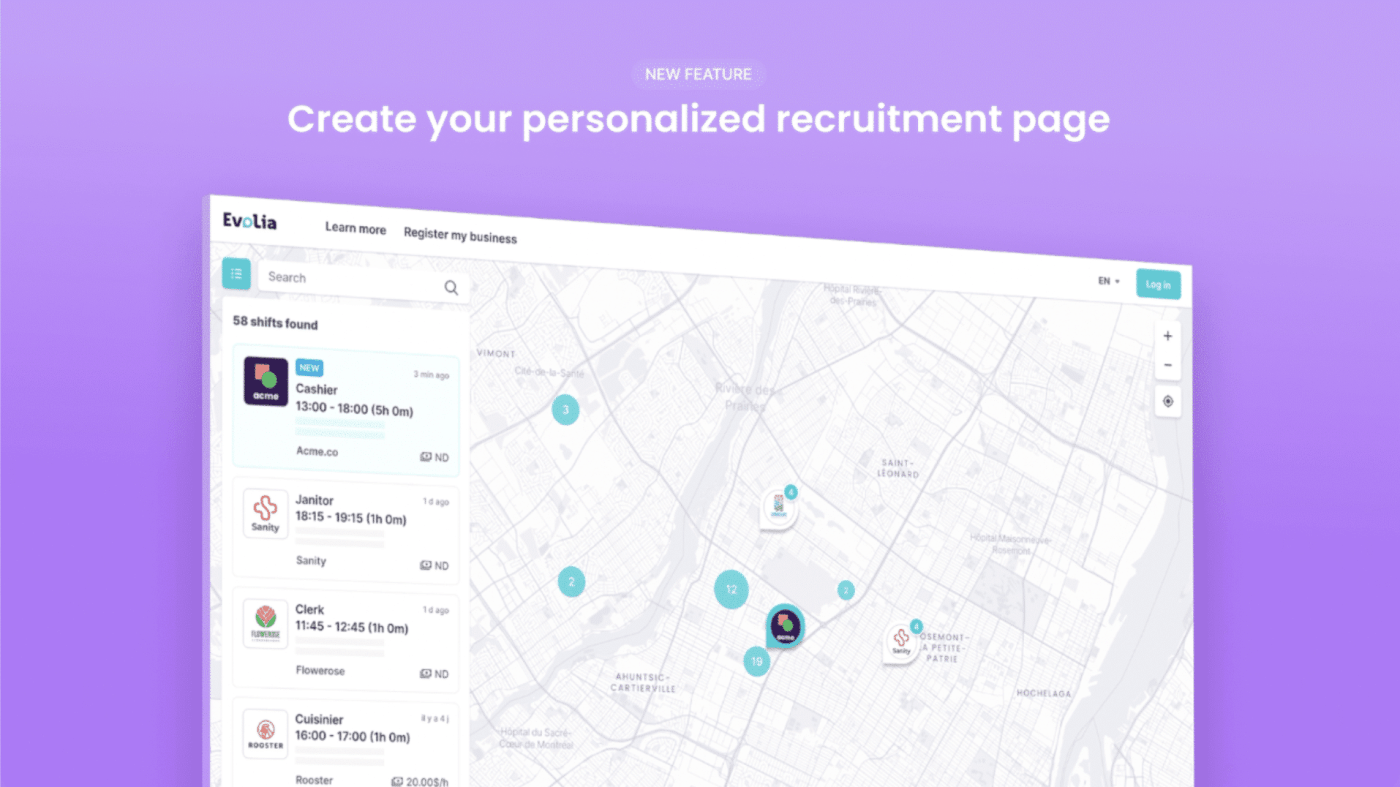
Create a personalized recruitment page
Your personalized recruitment page is another amazing tool that you can link to from:
- Your company website;
- Share on social media;
- Promote internally through company chats and emails;
- Share on hiring forums;
- Share in other recruitment tactics.
Implementing & Scheduling a Flexible Workforce in a Company
The Importance of Following Through
The Gartner study referenced above found that shift workers want more control over their schedules and how much time they work. A recent McKinsey survey found that when candidates are offered the opportunity to work flexibly, they take it 87% of the time. This survey indicated that 47% wanted better hours and pay, and 15% wanted better control over their scheduling.
Accommodating flexible employee scheduling and the autonomy that employment candidates seek in their next career move requires intuitive digital solutions.
Use Software to Build in Flexibility
Candidate profiles are loaded into Evolia’s Recruiting application. Once the candidate is interviewed and onboarded by HR, their information is seamlessly available in Evolia’s Smart Scheduling and Time and Attendance tools. These tools are intuitive, and many are mobile-friendly for shift workers and frontline employees who are often on the go. They enable Team Communications for shift swapping and Task Management to make every shift as productive as possible.
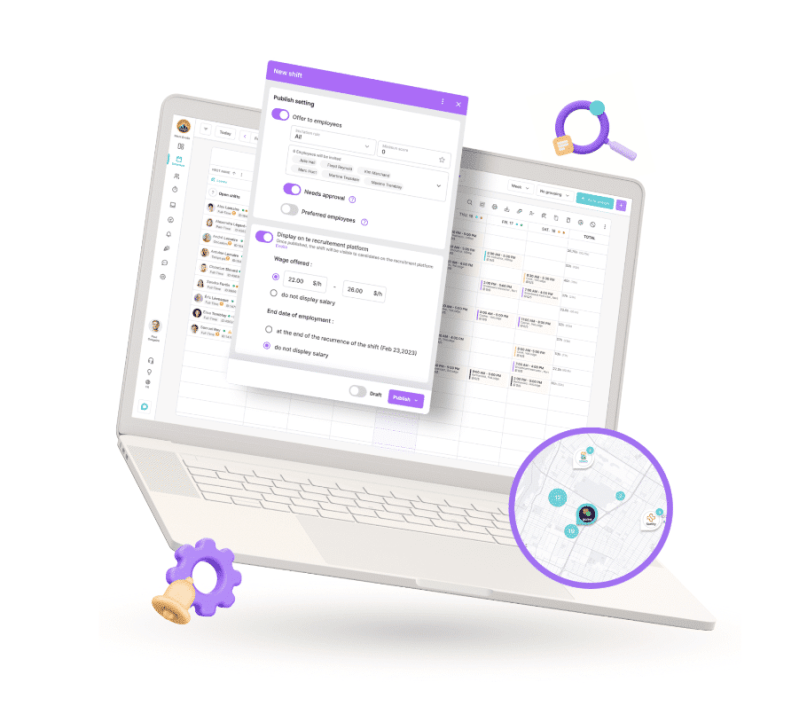
Evolia offers an integrated set of applications that streamlines flexible workforce employee lifecycles from recruitment to scheduling and performance monitoring to offboarding. As employees build relationships with colleagues across your shift teams, they are often happy to arrange their replacements with their similarly skilled colleagues.
Flexibility can be built into your workforce practices with tools like Evolia.
Other Tips for Facilitating Flexible Workforces
- Shift employees, temporary employees, and frontline staff often juggle gig economy jobs, family needs and school when they aren’t working in your facility. Digital applications like the ones described above facilitate communication with management and each other, which is crucial.
- Treat temporary, part-time and full-time employees equally regarding work assignments. Contractors should not be treated as employees for tax and legal implications, so be sure to consult with the Canada Revenue Agency (CRA) or the IRS on how to best manage each scenario.
- Watch for signs of conflict or harassment of employees working flexible shifts.
- Encourage engagement and collaboration among your entire staff. Gender and cultural diversity are strengths and can attract candidates over time.
- Keep your workers informed about their schedule and empower them to have as much control over their work hours as possible with a collaborative scheduling platform.
Complete End-to-End Solutions with Evolia
Evolia is an integrated, end-to-end solution for recruiting, scheduling and managing a flexible workforce. Mitigate manual data entry, administrative errors, and poor data quality by empowering employees to enter and manage their data. Don’t just fill job roles with online recruiting.
Staff entire shifts by enabling local candidates to shop for roles that meet their availability, skills, and experience profiles. Make the most of your local available talent pool. Meet your staffing goals while empowering your flexible workforce to meet theirs.
Get Evolia FREE and discover the 1000s of shift workers looking for flexible work!
Featured Articles


See Evolia in action. Request a Demo!
Let our experts show you how we can streamline your scheduling and optimize your HR operations.
Get a personalized demo to:
- Automate scheduling and time & attendance.
- Find the workers you need and optimize your internal resources
- Integrated with most HRIS and ERP softwares
We make it work for you!