

7 Shift Bidding Challenges that Keep HR Teams Up at Night [+ Solutions]

Employee engagement is continually a discussed and measured metric for HR teams across all serious organizations.High staff engagement is essential for reaching new business goals and keeping staff investments manageable over time.
With the growing trends in establishing a flexible workforce, shift bidding is an excellent solution for businesses to have workplace flexibility, while maintaining staffing needs for the business.
With any new process comes its own unique set of challenges, but don’t worry, these can be easily mitigated.
This article will explore the common challenges found when implementing a shift-bidding program, along with recommended solutions to implement in your business today.
Let’s dive in!
Table of Contents
- Top Shift Bidding Challenges and The Solutions
- No-nonsense Steps for Implementing Shift Bidding
- Final Thoughts
Top Shift Bidding Challenges and The Solutions
When business scheduling practices allow for shift bidding, there is huge potential for happier employees and better productivity. With that also comes several challenges, like balancing business needs, employee flexibility, multiple departments, labor compliance, and more!
As a HR professional, there are a myriad of other activities you could be working on. So, we’ll dive into both common and unique challenges we see and how to solve them!
Challenge #1: Complexity in Managing Bids
Managing shift swaps and shift bids manually or without the proper tools can be a logistical nightmare. Add in different department scheduling rules, the need to accommodate employee preferences, ensuring fair access to shifts, and maintaining operational efficiency.
Typical manual shift bidding programs may use text messages, emails, social media, physical bulletin boards, or even force auto-allocation based on seniority.
Without an efficient system, managing shift bids can lead to a full-time position for the team. While also creating the risk of administrative overload, errors, and staff dissatisfaction.
In addition, if there is a constant stream of shift trade requests or shifts put up for bid, manual scheduling practices become unreliable for other staff. Furthering the challenge here.
Solution
A great way to solve the problem of manual-task overload and managing complex shift-bidding processes is to implement employee scheduling software, like Evolia, that automates the entire shift bidding process.
You can let employees self-manage the shift bidding by allowing bids for shifts based on predefined criteria such as skill-sets, department, and availability. So, instead of a manager spending hours manually approving shift bids, updating the scheduling, and then relaying that information, it can all be done in a few clicks. Schedules will automatically update and employees are notified through in-app notifications.
Ditch the manual scheduling methods to defeat this challenge.
Challenge #2: Unheard Employee Dissatisfaction
When staff feel that the current shift bidding process is biased or unfair for certain departments/workplace locations, it can actually lead to employee dissatisfaction and reduced morale. This discontent often stems from a perceived lack of fairness in how shifts are allocated or a lack of understanding of the bidding process.
Solution
The first, and easy to implement solution, is to clearly communicate the shift bidding policy to employees, while keeping your door open for feedback. Be clear in letting them know why these policies were decided on so they have an understanding. Then, allow staff to come to you with constructive feedback.
To make it even easier to receive feedback, let employees message you directly through Evolia’s staff texting platform. It’s proven that text-based communication is a preferred method of communication for both Gen Z and Millennials.
Once you receive feedback, you can make adjustments to the policies and add them into the rules of your scheduling software to keep things automated.
Increase transparency by clearly communicating the criteria used for shift allocations and providing a clear timeline for the bidding process.
Recommended Reading: How to Create 24/7 Staff Schedules + Tips and Industry Specific Insights

Challenge #3: Juggling Staffing Requirements and Employee Engagement
There could be times when open shifts from employees cannot be picked up by anyone else. Maybe the business is at capacity and there aren’t other staff to pick up the shift. Or maybe there is a certain skill set that’s required for a shift that cannot be filled by anyone else.
Inefficiencies occur when there are too many bids for some shifts and not enough for others, leading to overstaffing or understaffing issues.
A proper shift-bidding program only works if people can actually bid on the open shifts available, and staff can confidently offer up a shift and know it can be covered.
Solution
Oftentimes, this juggling is required because there aren’t proper automations or softwares in place. Evolia’s workforce management platform is the perfect solution to juggling these staffing requirements ahead of time!
Predict staffing needs based on historical data, time of year, or upcoming events. Then set up the bidding system to highlight shifts that are traditionally hard to fill, possibly offering incentives for these shifts.
And if there are shifts that always remain unfilled, easily add them to the Shift Board for other candidates to find and apply for.
With the data organized within the software, you can regularly review staffing patterns and adjust the bidding process accordingly, such as by setting minimum and maximum numbers of shifts per employee or introducing a rotation system for unpopular shifts to ensure fair distribution.
Challenge #4: Balancing Shift Distribution
Ensuring a fair distribution of shifts, especially when dealing with shifts that are highly desired or tend to be unpopular, can be challenging. Employees may feel resentful if they consistently receive less desirable shifts or if they perceive that certain colleagues always get the best shifts.
While a rotation system can usually do the trick, if the entire team is dreading a certain shift, something needs to be done before people quit.
Solution
Consider incentives for less desirable shifts, such as higher pay rates, additional time off, or points (can be a fun way to engage staff) towards additional benefits or shift preferences.
Transparently communicate how shifts are distributed and the rationale behind that to ensure understanding and buy-in from all employees.
Challenge #5: Initial resistance to change
If you’ve just implemented a shift bidding program or are about to, there can be initial resistance to change.
Some employees may not want to bid on shifts. Others may not want to use a mobile app and rely on old practices like messaging each other over Snapchat. Or reviving that archived email thread on open shifts.
While no system is absolutely perfect, you’ll need buy-in across the organization for this to work.
Solution
When implementing the program, come prepared with data and stories of how this will improve the employee experience. These insights will help build a positive attitude towards change management.
Get staff and management input on different policies for open shifts and then offer training to ensure that the new systems and processes are working for everyone involved.
Foster a positive attitude towards change by involving employees in the selection and implementation process of the shift bidding system.
Offer detailed training and ongoing support to ease the transition. You can even offer a rewards system for early adopters. For example, your first employee to take on 3 open shifts using Evolia wins a $100 giftcard of their choice.
Create a feedback loop where employees can express their concerns and suggestions for improving how the shift bidding process works, too.
Recommended Reading: 11 Annoying Scheduling Issues & Easy Solutions
Challenge #6: Operating Within Labor Laws
A critical aspect of labor law compliance is managing overtime. Employees bidding for too many shifts could result in unintentional violations of maximum working hours laws or could lead to unintended overtime costs that have not been budgeted for.
Certain jurisdictions may also require minimum rest periods between shifts or after a certain number of hours worked in a week.
A labor law complication is the last thing you want with implementing a system that’s supposed to benefit the business!
Solution
A modern workforce management software can be configured with the specific labor laws of each jurisdiction, automatically enforcing compliance with regulations on overtime, rest periods, and fair scheduling practices. This automation significantly reduces the risk of human error in scheduling.
Don’t stop there, integrate with other HR systems (e.g., payroll, HRIS) to ensure that all aspects of employee management are compliant with labor laws. This integration ensures a holistic approach to compliance across the organization.
Challenge #7: Potential for Miscommunication
As with any process that relies on several individuals, there’s a potential for miscommunication regarding shift assignments, changes, or policies. These communication issues can easily lead to unnecessary staff frustrations, missed shifts, and staff shortages.
Or if the shift bidding works among staff but management is having problems with this new initiative, there could be leadership miscommunication. Which can have larger negative impacts, so it’s important to solve this challenge right away.
Solution
The easiest solution here is to use the free Essential Plan of Evolia to have a place to communicate and manage all the open shifts and bidding policies in one place.
For leadership, add a talking point in the regular meetings to discuss the shift bidding initiative, share insights, and address any challenges.
No-nonsense Steps for Implementing Shift Bidding, Properly
Gone are the days of using manual processes for shift bidding. It’s not worth the headache for anyone in your business.
These days, easy-to-use employee scheduling software like Evolia can automate manual processes, offer a better employee experience, and solve all those challenges we went over.
Auto-scheduling
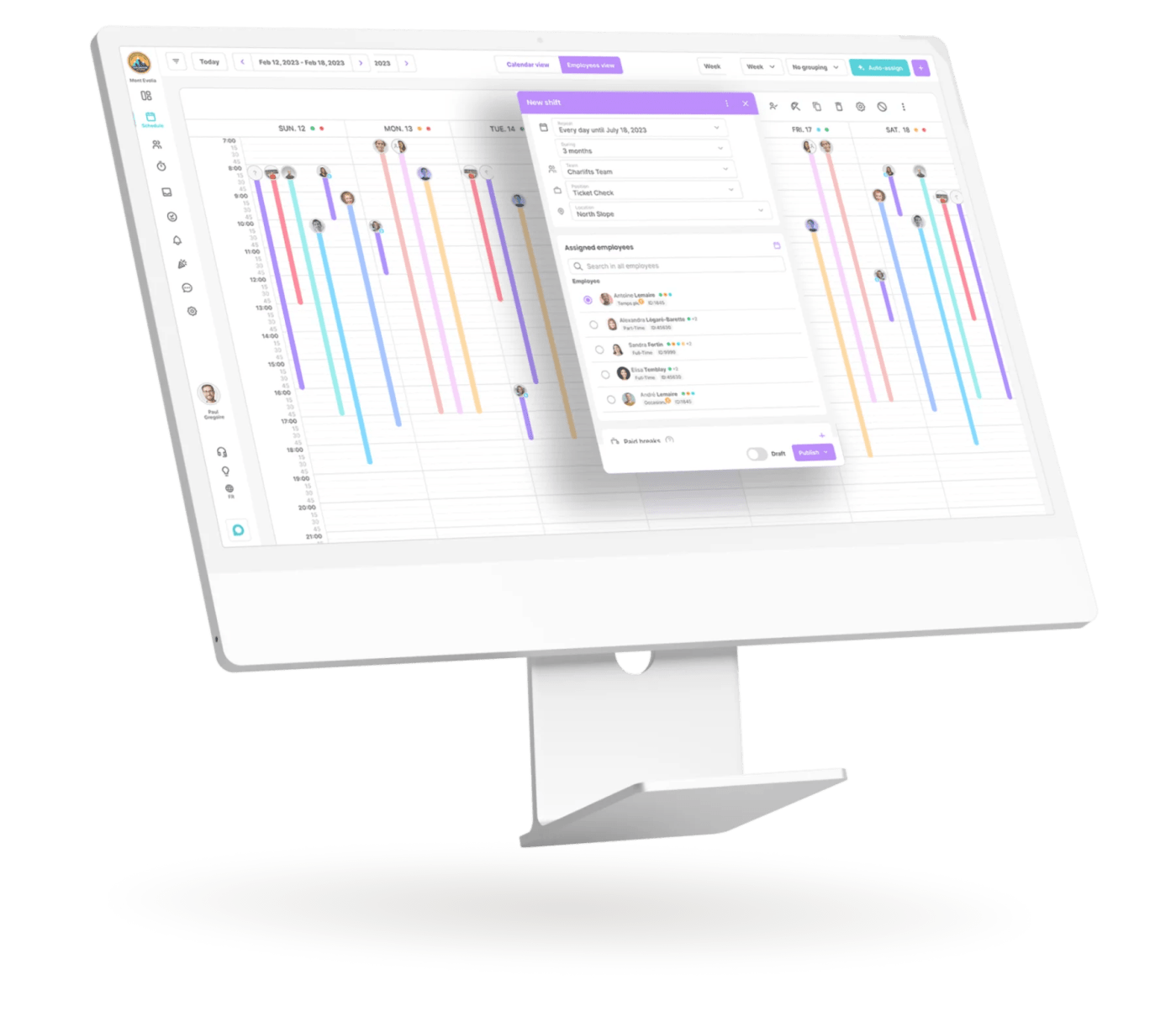
Evolia’s software can auto-schedule employees for shifts based on multiple factors including their preferences, qualifications, and availability. Saving you hours in manual scheduling processes and creating a schedule that better meets the combination of business needs and employee needs.
Real-Time Bidding and Notifications
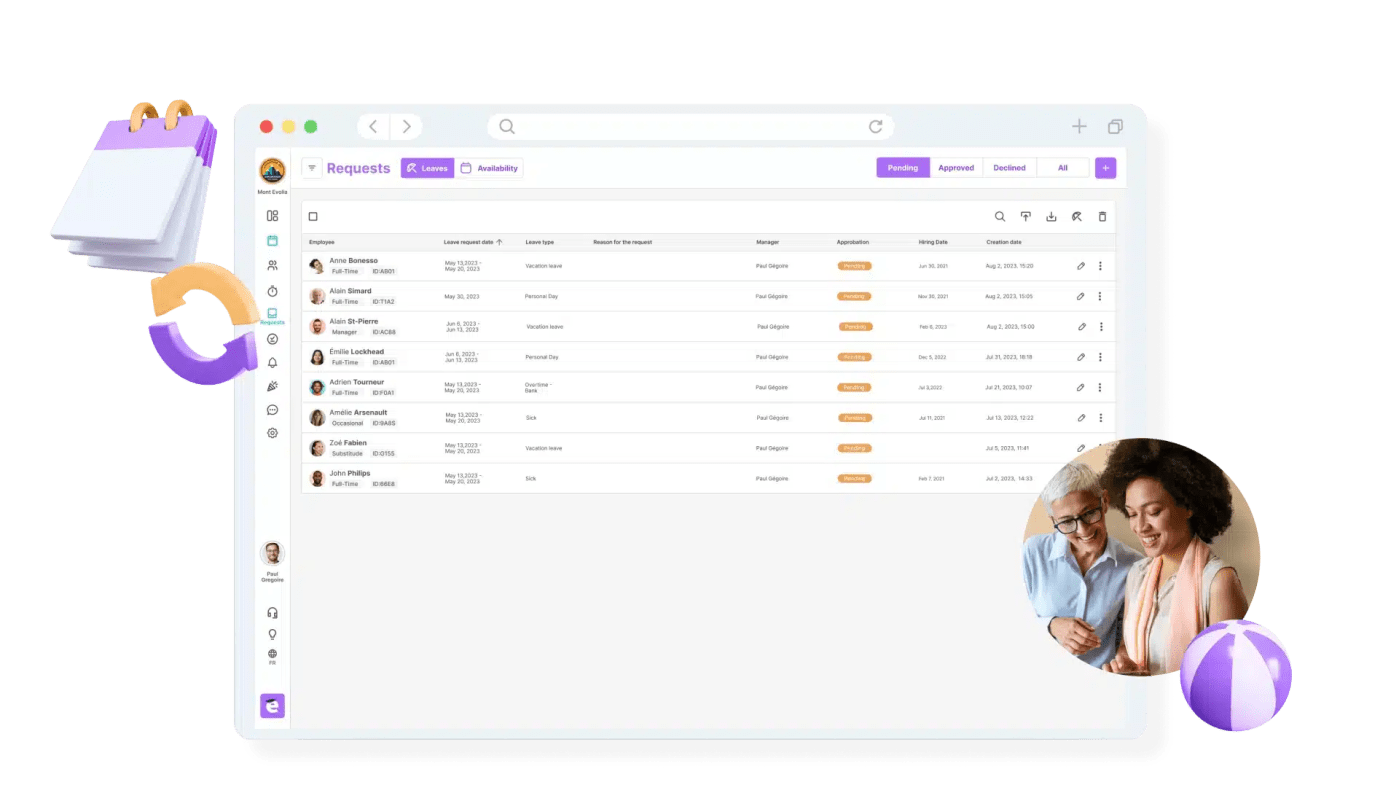
The software’s built-in notifications inform the required employees about new available shifts, bid statuses, and the final scheduling changes. No need to re-print your schedule or text employees about shift changes they should note down.
Your organization is unique, so you can set customizable rules for the bidding process, including minimum and maximum hours, rest periods, and prioritization of bids based on seniority, skill level, and more. This flexibility allows businesses to tailor the system to their unique operational needs and workforce policies.
Integration with Other HR Systems
Evolia’s software can integrate seamlessly with other HR systems like ADP Workforce Now for payroll, ensuring that all employee information is synchronized. These integrations ensure your systems are working together to save you time, reduce potential errors, and drive your workforce to success. Check outother integrations.
Data-Driven Insights in Minutes
Have shifts where employees are constantly providing negative feedback? Or maybe there are consistent periods where management is opening up new shifts.
Evolia’s insightful reporting can help you gain insights into staffing patterns, employee preferences, and scheduling efficiencies. Make more informed scheduling decisions in minutes rather than hours from manual data collection and analysis. While proactively identifying areas of improvement or insights useful for other departments.

Employee Self-Service App
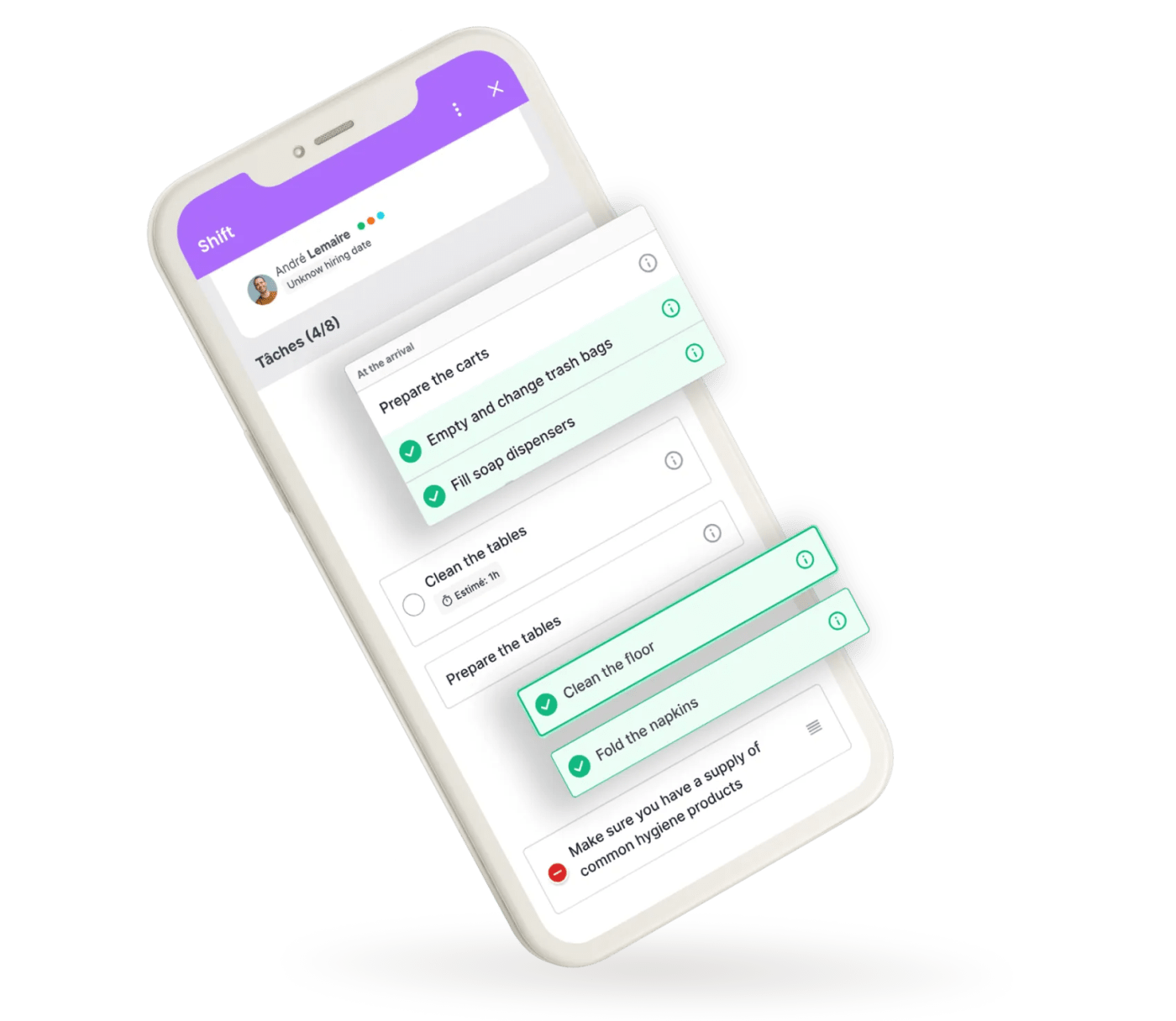
Give you employees more autonomy with employee self-service scheduling and shift bidding. The mobile app allows staff to manage their preferences, submit availability, and bid on shifts independently. This empowerment is proven to increase employee satisfaction and reduce the administrative burden for management.
Monitor and Adjust
Easily collect feedback from the in-app communication tools and adjust your shift bidding process and rules as needed. With Evolia, there may be specific business nuances that you’ll need the software to adjust to. Don’t hesitate to book a free demo with our team to see if there is a fit.

Final Thoughts
From navigating the complexities of manual bid management to ensuring compliance with labor laws and fostering clear communication across the board, the hurdles are significant but not impossible to overcome.
By automating the shift bidding process, providing platforms for real-time communication, and ensuring that policies are transparent and fair, you can turn potential HR obstacles into building blocks for a more engaged workforce.
Request your demo with our product specialists to learn just how Evolia can fit into your unique HR workflows and existing HR Tech Stack.
Featured Articles


See Evolia in action. Request a Demo!
Let our experts show you how we can streamline your scheduling and optimize your HR operations.
Get a personalized demo to:
- Automate scheduling and time & attendance.
- Find the workers you need and optimize your internal resources
- Integrated with most HRIS and ERP softwares
We make it work for you!